Exporting OCOP Products – New Opportunities
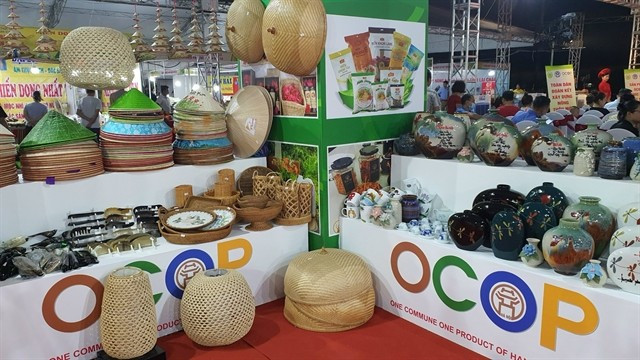
OCOP (One Commune One Product) products represent a distinctive combination of local identity, cultural heritage, and community-based economic development. As global consumers increasingly value authenticity, traceability, and origin-based products, exporting OCOP goods has emerged as a promising new opportunity for producers and enterprises. This article provides an in-depth, neutral analysis of exporting OCOP products in the current international trade context. It examines market trends, structural challe
The globalization of trade has expanded opportunities for products that were once confined to local or domestic markets. Among these, OCOP products occupy a unique position. Rooted in local resources, traditional knowledge, and community-based production, OCOP products reflect not only economic value but also cultural and social significance. As international markets become more receptive to differentiated and authentic goods, exporting OCOP products is increasingly viewed as a strategic pathway for inclusive and sustainable growth.
However, exporting OCOP products is not a simple extension of domestic success. While local recognition and quality certification provide a strong foundation, international markets introduce new requirements related to standards, consistency, logistics, and communication. Understanding these dynamics is essential for transforming OCOP products into internationally competitive offerings.
The Global Market Context for OCOP Products
Global consumer behavior has shifted notably over the past decade. In many markets, especially in Europe, North America, and parts of Asia, consumers are seeking products that offer authenticity, traceability, and a clear connection to origin. This trend is particularly strong in food, agricultural products, handicrafts, and natural wellness goods—categories where OCOP products often excel.
At the same time, international buyers face increasing pressure to diversify supply sources and demonstrate responsible sourcing. This creates opportunities for OCOP products that align with sustainability, community development, and traditional production values. However, buyers also operate within strict compliance and risk management frameworks, which require reliable and standardized information from suppliers.
OCOP Products as Value-Based Exports
Unlike mass-produced commodities, OCOP products derive value from differentiation rather than scale. Their competitiveness lies in origin, story, and production methods rather than price alone. This value-based positioning allows OCOP products to target niche and premium segments rather than competing directly with large-scale industrial producers.
However, value-based exports require clear articulation of product attributes. International buyers must understand what makes an OCOP product unique, how it is produced, and how quality is ensured. Without structured communication, these strengths may not be fully recognized in global markets.
Challenges in Exporting OCOP Products
Despite strong potential, OCOP exports face several structural challenges. One of the most significant is consistency. Many OCOP products are produced by small-scale households or cooperatives, which can lead to variability in quality, volume, and packaging. International buyers typically require predictable supply and standardized specifications.
Another challenge relates to compliance. Export markets impose requirements related to food safety, labeling, packaging, and sustainability. Meeting these requirements often requires investment in documentation, testing, and process standardization. For community-based producers, navigating these requirements can be complex without adequate support.
The Role of Packaging and Presentation
Packaging plays a critical role in international acceptance of OCOP products. Beyond protecting the product, packaging must comply with regulatory standards and communicate essential information clearly. At the same time, it should reflect the cultural identity and authenticity of the product.
Striking this balance is essential. Overly generic packaging may dilute the product’s unique character, while inadequate packaging may limit market access. Successful OCOP exports integrate functionality, compliance, and storytelling in their presentation.
Logistics and Market Access Considerations
Logistics is another decisive factor in OCOP exports. Many OCOP products, particularly food and agricultural goods, require careful handling and timely delivery. Logistics costs can significantly affect competitiveness, especially for small shipment volumes.
Strategic market selection is therefore essential. Rather than targeting distant markets immediately, OCOP exporters may benefit from prioritizing markets with compatible demand, regulatory frameworks, and logistics routes. Gradual expansion allows for learning and risk management.
Digital Platforms as Enablers of OCOP Exports
Digital transformation has created new pathways for OCOP products to reach international markets. Digital B2B platforms provide structured environments where producers and exporters can present standardized information, showcase product attributes, and connect with international buyers.
In this context, ECVN.COM functions as part of the digital trade infrastructure supporting OCOP internationalization. By enabling transparent presentation of company profiles, product information, and engagement history, the platform helps reduce information asymmetry between small producers and global buyers.
From Local Identity to Global Recognition
Exporting OCOP products is not only an economic activity but also a process of translating local identity into global recognition. International buyers and consumers may not be familiar with the cultural context behind OCOP products. Clear, accurate, and respectful storytelling therefore becomes an essential component of export strategy.
This storytelling should be factual and transparent, focusing on origin, production methods, and community impact. When communicated effectively, it enhances perceived value and supports long-term brand positioning rather than short-term sales.
The Long-Term Role of OCOP Exports
From a strategic perspective, OCOP exports contribute to more inclusive and balanced economic development. By integrating local producers into international value chains, OCOP exports support income diversification, skills development, and community resilience.
However, long-term success depends on moving beyond opportunistic exports toward structured international engagement. This includes continuous improvement in quality, documentation, and communication, as well as alignment with evolving market expectations.
Building Sustainable Export Capabilities
Sustainability is increasingly central to international trade. Many OCOP products are inherently aligned with sustainable practices due to their small-scale and community-based nature. Nevertheless, sustainability claims must be supported by transparent information and, where applicable, certification.
Digital platforms support this transparency by enabling exporters to present sustainability-related information consistently. Over time, this supports trust-building and alignment with international buyer expectations.
Strategic Implications for Producers and Enterprises
For OCOP producers and enterprises, exporting should be approached as a long-term capability-building process rather than a one-time opportunity. This involves investing in internal organization, documentation, and digital readiness.
Engagement through structured environments such as ECVN.COM allows OCOP exporters to learn from market feedback, refine their offerings, and gradually scale international engagement. This learning-oriented approach supports resilience and adaptability in changing global markets.
In conclusion, exporting OCOP products represents a new and promising opportunity shaped by global demand for authenticity, sustainability, and differentiated value. While challenges remain, strategic preparation, digital engagement, and long-term orientation can transform OCOP products into sustainable international offerings. Digital B2B platforms such as ECVN.COM play a supporting role in this transition by enhancing transparency, connectivity, and learning across borders.