Standards Required for Exporting to the EU Market
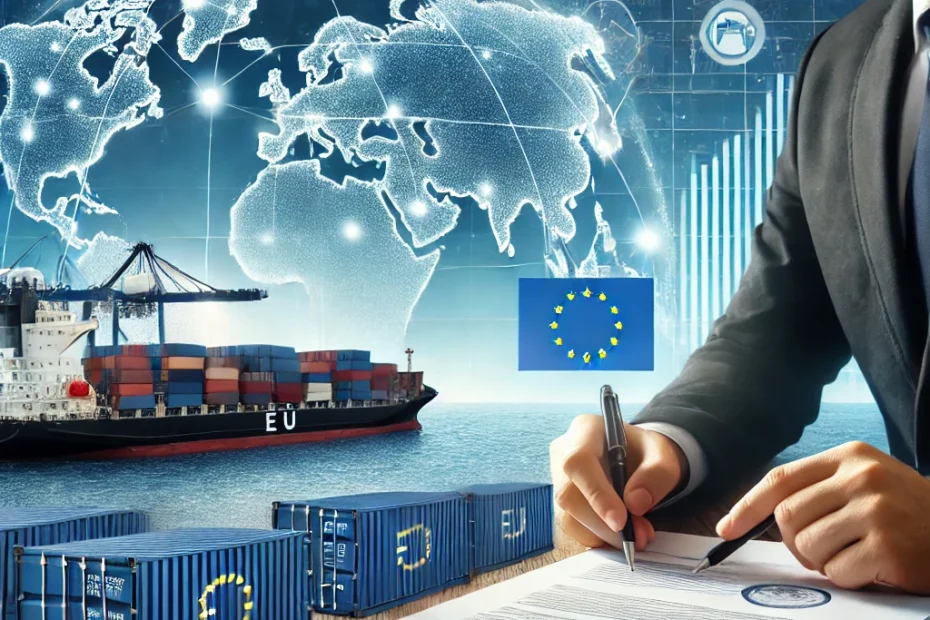
The European Union (EU) is one of the world’s largest and most demanding import markets, characterized by high consumer expectations, strict regulatory frameworks, and an increasing emphasis on sustainability and transparency. For exporters, accessing the EU market offers significant opportunities but also requires careful preparation and long-term commitment to compliance. This article provides a comprehensive analysis of the standards required for exporting to the EU, examining the regulatory context, key
The European Union represents a highly integrated and regulated economic area, bringing together diverse member states under a unified legal and regulatory framework. For exporters, this integration offers access to a large consumer base but also imposes harmonized standards that apply across all member countries. Understanding these standards is essential not only for market entry but also for sustaining long-term participation in EU trade.
EU import standards are rooted in several core objectives: protecting consumer health and safety, ensuring fair competition, safeguarding the environment, and promoting sustainable development. These objectives translate into a complex system of regulations, directives, and technical standards that govern products entering the EU market. While the specific requirements vary by product category, the underlying principles remain consistent and shape the overall compliance landscape.
One of the defining features of the EU market is its precautionary approach. Regulators prioritize risk prevention, often requiring exporters to demonstrate compliance before products enter the market. This approach places significant responsibility on exporters to understand and implement relevant standards proactively. Failure to comply can result in shipment rejections, recalls, or long-term loss of market access.
Product safety and conformity form the foundation of EU import standards. All products placed on the EU market must be safe for consumers and meet applicable technical requirements. For industrial and consumer goods, this often involves conformity assessments, technical documentation, and, in some cases, third-party certification. While specific conformity marks apply to certain product categories, the broader requirement is that exporters can demonstrate compliance through documented processes and testing.
For food and agricultural products, EU standards are particularly stringent. Food safety regulations govern every stage of the supply chain, from production and processing to packaging and labeling. Exporters must comply with rules related to hygiene, contaminants, pesticide residues, and traceability. These requirements reflect the EU’s commitment to protecting public health and maintaining consumer confidence. Compliance often requires close coordination with producers, processors, and certification bodies to ensure consistent implementation.
Traceability is a critical element of EU standards. Exporters must be able to trace products back through the supply chain, identifying sources of raw materials and production processes. This requirement supports rapid response in case of safety concerns and enhances overall supply chain transparency. For exporters accustomed to less formal systems, implementing traceability can be challenging but is essential for EU market participation.
Labeling and consumer information represent another important dimension. EU regulations require clear, accurate, and comprehensive product information, enabling consumers to make informed choices. Labels must comply with language, content, and formatting rules, which vary by product type. For food products, this includes nutritional information, allergen declarations, and origin details. For non-food goods, labeling may include safety warnings, usage instructions, and manufacturer identification.
Beyond safety and labeling, environmental standards are becoming increasingly central to EU trade policy. The EU has positioned itself as a global leader in environmental regulation, with ambitious goals related to climate change, resource efficiency, and circular economy principles. Exporters are increasingly expected to demonstrate compliance with environmental requirements related to materials, waste management, and emissions.
Sustainability considerations extend beyond environmental impact to include social responsibility and ethical practices. EU buyers are under growing pressure to ensure responsible sourcing, fair labor conditions, and compliance with human rights standards throughout their supply chains. While not all requirements are legally binding at the same level, they increasingly influence procurement decisions and long-term partnerships. Exporters that can communicate responsible practices clearly are better positioned to build durable relationships with EU buyers.
Another important aspect of exporting to the EU is regulatory documentation and customs compliance. Exporters must provide accurate documentation related to product origin, value, and compliance status. Trade agreements may offer preferential access, but only if exporters can demonstrate eligibility through proper certification. Errors or inconsistencies in documentation can lead to delays, penalties, or loss of benefits.
From a market perspective, EU buyers tend to prioritize reliability and long-term cooperation. Compliance with standards is viewed not as a one-time requirement but as an ongoing commitment. Buyers often expect exporters to maintain stable quality, respond promptly to regulatory changes, and engage transparently when issues arise. This expectation reinforces the importance of internal quality management systems and continuous improvement.
Digitalization is playing an increasing role in supporting compliance and market readiness. Exporters are expected to manage documentation, traceability data, and communication efficiently. Digital trade platforms contribute to this process by providing structured environments for information sharing. ECVN.COM, as a cross-border B2B platform, supports exporters in presenting standardized company and product information, which can facilitate preliminary assessment by EU buyers and support early-stage engagement.
However, it is important to recognize that digital platforms complement rather than replace regulatory compliance. Exporters must still invest in internal systems, training, and certification to meet EU requirements. Platforms serve as tools for visibility and communication, helping exporters align with buyer expectations and market standards more effectively.
The long-term strategic value of meeting EU standards extends beyond access to a single market. EU regulations often influence global standards, meaning that compliance can enhance competitiveness in other markets as well. Exporters that adapt to EU requirements frequently find it easier to enter additional high-value markets with similar expectations.
From an organizational perspective, preparing for the EU market often drives internal upgrading. Implementing quality management systems, improving documentation practices, and strengthening supply chain oversight can improve overall operational performance. While these investments require resources, they contribute to long-term resilience and credibility.
In conclusion, exporting to the EU market requires adherence to a comprehensive set of standards covering product safety, quality, traceability, labeling, environmental impact, and social responsibility. These standards reflect the EU’s broader objectives of consumer protection and sustainable development. While compliance can be demanding, it also offers significant long-term value by enhancing market credibility and competitiveness. Digital platforms such as ECVN.COM support this process by facilitating transparent information exchange and early-stage engagement with EU buyers. For exporters willing to invest in compliance and continuous improvement, the EU market offers not only scale but also an opportunity to build sustainable, high-quality international trade relationships.