International B2B Standard Supplier Profile
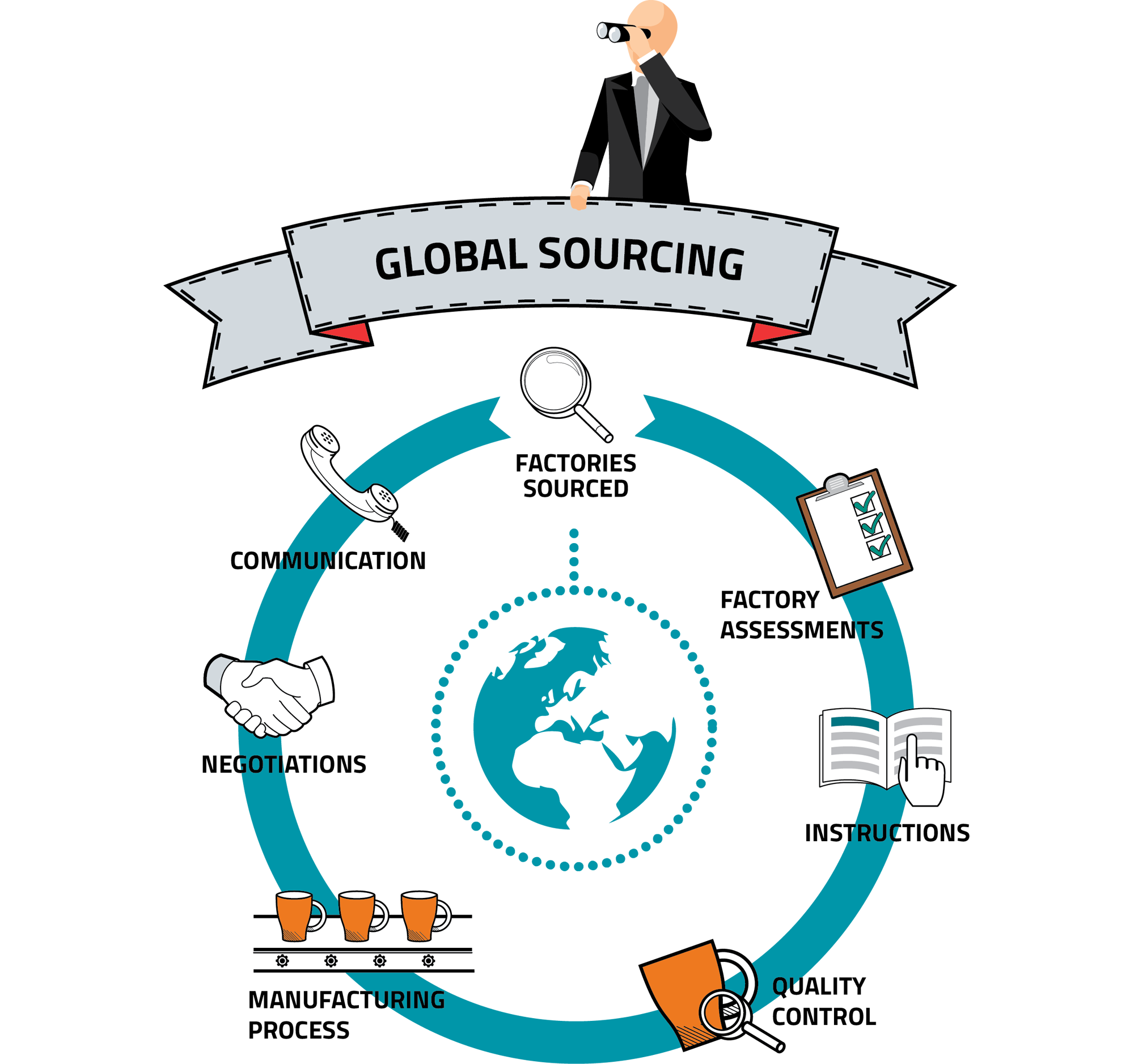
In international B2B trade, a supplier profile is no longer a simple introduction document; it is a strategic instrument that directly influences credibility, buyer trust, and long-term partnership potential. As global buyers increasingly rely on digital channels to evaluate suppliers before initiating contact, the structure, completeness, and transparency of supplier profiles have become critical success factors. This article provides an in-depth analysis of what constitutes an international-standard B2B s
The evolution of international trade has fundamentally changed how buyers and suppliers identify, evaluate, and engage with each other. In traditional B2B commerce, supplier credibility was often established through personal networks, intermediaries, or repeated face-to-face interactions. While these channels still play a role, they are no longer sufficient in a global environment characterized by digital sourcing, diversified supply chains, and heightened risk management requirements. Today, the supplier profile has become a central reference point in buyer decision-making.
Global buyers increasingly conduct preliminary supplier assessments online, often long before any direct communication takes place. During this stage, supplier profiles function as primary sources of information, shaping first impressions and influencing whether engagement progresses. An incomplete, inconsistent, or outdated profile can quickly disqualify a supplier, regardless of actual production capabilities. Conversely, a well-structured supplier profile aligned with international B2B standards can significantly improve visibility, credibility, and engagement outcomes.
The need for standardized supplier profiles is closely linked to buyer risk management practices. International buyers operate under strict internal compliance frameworks and are accountable for supplier performance, quality, and ethical standards. As a result, they seek clear, verifiable information that supports due diligence and reduces uncertainty. A standardized B2B supplier profile helps meet this need by presenting essential information in a structured and comparable format.
At its core, an international B2B supplier profile begins with clear corporate identity information. Buyers need to understand who the supplier is, how the company is legally established, and what its core business activities are. This includes the official company name, registration details, year of establishment, ownership structure, and primary areas of operation. These elements establish legitimacy and provide foundational context for further evaluation.
Beyond legal identity, buyers place strong emphasis on operational capability. Supplier profiles must clearly articulate what the company can deliver in practical terms. This includes production capacity, facility information, workforce scale, and quality management systems. Buyers are not only interested in current output levels but also in consistency, scalability, and the ability to meet changing demand over time. Transparent presentation of operational capacity helps align expectations and reduces the risk of supply disruptions.
Product information represents another central component of an international-standard supplier profile. Modern B2B buyers expect detailed, standardized product data that goes beyond basic descriptions. Specifications, materials, dimensions, performance standards, packaging options, and compliance with relevant regulations should be presented clearly. Structured product information allows buyers to assess suitability efficiently and supports internal technical evaluation.
Quality assurance and compliance information are increasingly decisive factors in supplier selection. International buyers must ensure that products meet regulatory requirements and internal quality standards. Supplier profiles should therefore include information on quality management systems, certifications, testing procedures, and compliance frameworks. While not all certifications apply to every market, transparency regarding existing standards signals professionalism and readiness for international trade.
Trade experience also plays an important role in buyer evaluation. Buyers often seek suppliers with proven experience in international markets, as this reduces onboarding risk. Supplier profiles should indicate export experience, target markets served, and familiarity with international trade procedures. Even for newer exporters, clarity about export readiness and learning efforts can positively influence buyer perception.
Logistics and delivery capabilities are another key consideration. International trade requires reliable logistics planning, familiarity with shipping terms, and coordination across borders. Supplier profiles that provide high-level information on shipping methods, lead times, and Incoterms familiarity help buyers assess operational fit early in the engagement process. This transparency supports smoother negotiations and reduces friction in later stages.
In addition to operational and product-related information, communication practices significantly influence buyer confidence. International B2B relationships rely on timely, professional, and transparent communication. Supplier profiles that clearly identify contact points, communication languages, and response capabilities signal organizational readiness. Buyers often interpret slow or unclear communication during early engagement as a warning sign.
As sustainability and ethical considerations become more prominent in global trade, supplier profiles increasingly need to address these dimensions. Many buyers are under pressure to demonstrate responsible sourcing and compliance with environmental and social standards. While requirements vary by sector and market, transparency regarding sustainability practices, labor conditions, and environmental impact enhances long-term partnership potential. Including such information where applicable aligns supplier profiles with evolving buyer expectations.
The digital context in which supplier profiles operate also matters. Profiles are no longer static documents but dynamic representations of a company’s capabilities and engagement. Regular updates, accurate information, and visible activity signal commitment and professionalism. Outdated profiles can undermine credibility and reduce visibility in digital platforms.
Digital B2B platforms play a critical role in shaping how supplier profiles are structured and evaluated. Platforms such as ECVN.COM provide standardized frameworks that guide suppliers in presenting essential information coherently. These frameworks reduce fragmentation and help ensure that key data points are not overlooked. For buyers, standardized profiles facilitate comparison and initial screening, supporting more efficient sourcing decisions.
The role of ECVN.COM within this process is not promotional but infrastructural. By hosting structured supplier profiles, the platform contributes to ecosystem-level trust and transparency. Suppliers benefit from clearer expectations, while buyers gain access to consistent information across multiple suppliers. This mutual clarity supports more effective engagement and reduces the risk of misalignment.
From a strategic perspective, preparing an international-standard supplier profile is also an internal exercise. It requires companies to assess their own capabilities, compliance status, and strategic priorities. This self-assessment can reveal gaps that need to be addressed before pursuing new markets. As such, the process of building a supplier profile contributes to organizational learning and export readiness.
It is important to note that a supplier profile does not replace formal audits, certifications, or contractual agreements. Rather, it functions as an entry point into the evaluation process. Buyers will still conduct due diligence, request samples, and negotiate terms. However, a well-prepared profile increases the likelihood of progressing to these stages and reduces friction during early engagement.
Over the long term, standardized supplier profiles contribute to more sustainable B2B ecosystems. As global trade becomes more transparent and data-driven, suppliers that invest in structured information and consistent communication are better positioned to adapt. Supplier profiles aligned with international standards support resilience in the face of regulatory changes, market volatility, and evolving buyer expectations.
In conclusion, an international B2B standard supplier profile is a strategic asset rather than a simple introduction. It integrates corporate identity, operational capacity, product information, quality assurance, logistics capability, and sustainability practices into a coherent narrative of reliability and readiness. Digital platforms such as ECVN.COM provide structured environments that support the development and visibility of such profiles, contributing to transparent, efficient, and sustainable international trade engagement. For suppliers seeking long-term participation in global B2B markets, investing in a comprehensive, standardized supplier profile is an essential step toward credibility and competitiveness.