What Should Businesses Prepare to Expand into International Markets?
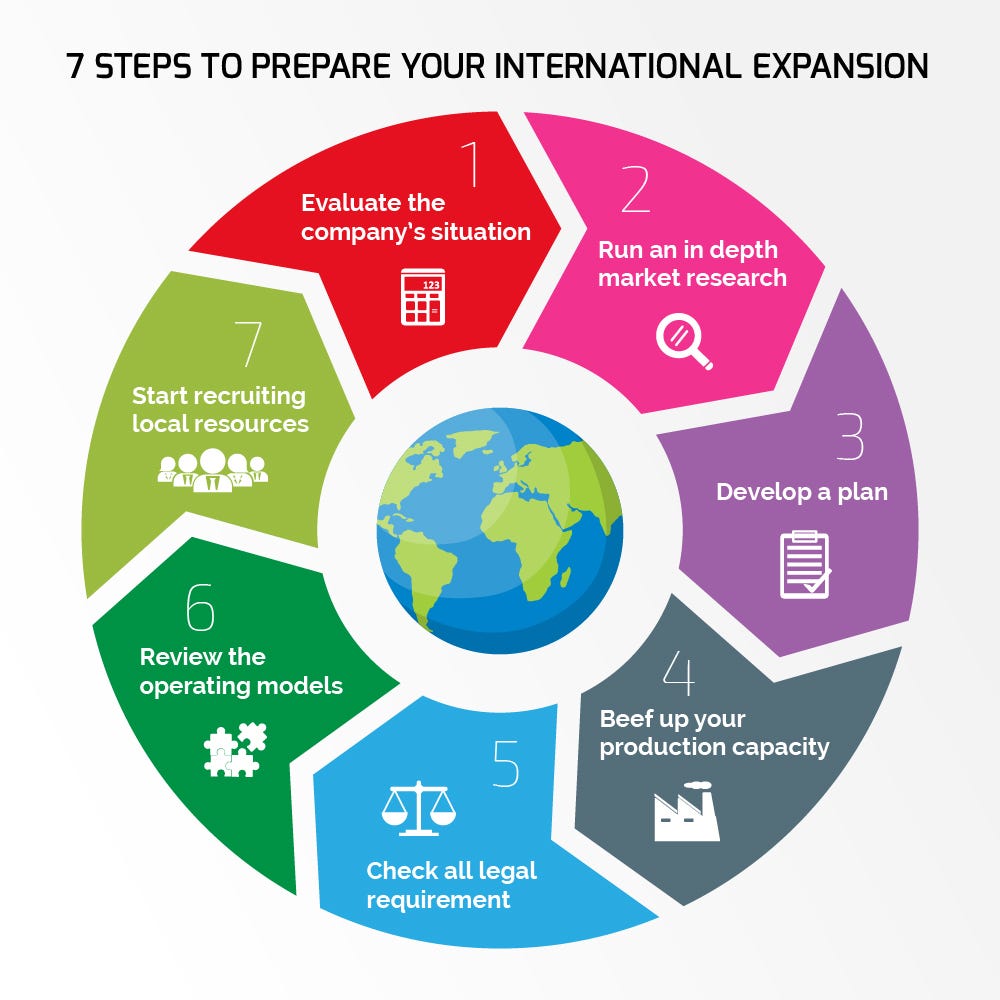
Expanding into international markets is a strategic milestone for businesses seeking long-term growth, resilience, and competitiveness. However, global expansion requires far more than identifying potential buyers or responding to overseas inquiries. This article provides an in-depth, neutral analysis of what businesses need to prepare before and during international market expansion. It examines the broader global trade context, common structural challenges, and the foundational capabilities required for s
International market expansion has become an increasingly attractive objective for businesses across sectors and sizes. Globalization, digital connectivity, and evolving consumer demand have opened new opportunities beyond domestic boundaries. At the same time, international markets present higher levels of complexity, uncertainty, and competition. Success depends not only on product quality or pricing, but on comprehensive preparation across strategic, operational, and organizational dimensions.
Many businesses approach international expansion opportunistically, responding to inquiries or short-term demand signals without adequate preparation. While such approaches may yield initial transactions, they often fail to produce sustainable results. Expanding internationally is best understood as a long-term transformation rather than a discrete project.
The Global Context of International Market Expansion
Global trade today is shaped by shifting supply chains, regulatory fragmentation, and heightened expectations around transparency and compliance. Buyers operate in risk-sensitive environments and are accountable for supplier performance, sustainability, and legal compliance.
As a result, entering international markets requires alignment with buyer evaluation frameworks that prioritize credibility, consistency, and long-term partnership potential. Businesses that underestimate these expectations may struggle to gain trust, even when their products are competitive.
Strategic Clarity and Market Selection
One of the first preparations for international expansion is strategic clarity. Businesses must define why they seek to expand internationally and what role international markets will play in their long-term development.
Market selection should be based on systematic analysis rather than assumptions. Factors such as demand structure, regulatory requirements, competitive intensity, logistics feasibility, and cultural compatibility all influence market attractiveness. Attempting to enter too many markets simultaneously often dilutes focus and resources.
Internal Organizational Readiness
International expansion places new demands on internal organization. Clear roles, responsibilities, and decision-making processes are essential. Businesses often underestimate the coordination required across sales, production, quality control, logistics, and finance.
Without internal alignment, exporters may struggle to respond consistently to buyer inquiries, manage documentation, or meet delivery commitments. Organizational readiness is therefore a foundational requirement for international growth.
Product and Service Readiness
Products and services intended for international markets must meet expectations that may differ significantly from domestic standards. This includes technical specifications, quality consistency, packaging, and after-sales support.
Businesses should assess whether their offerings require adaptation for specific markets. In many cases, minor adjustments—such as labeling, documentation, or packaging—can significantly improve market acceptance.
Compliance and Regulatory Preparation
Regulatory compliance is one of the most critical aspects of international expansion. Each market imposes its own requirements related to product safety, labeling, customs procedures, and sustainability.
Preparing for compliance involves understanding applicable regulations, maintaining accurate documentation, and, where necessary, obtaining certifications. Proactive compliance preparation reduces risk and signals professionalism to international partners.
Financial and Risk Management Considerations
International expansion introduces new financial risks, including currency fluctuations, payment delays, and contractual enforcement challenges. Businesses must evaluate their financial capacity and risk tolerance carefully.
Clear payment terms, cost structures, and contingency planning are essential. International expansion should be supported by realistic financial projections rather than optimistic assumptions.
Logistics and Supply Chain Capability
Logistics is a decisive factor in international market success. Shipping costs, lead times, and reliability directly influence buyer satisfaction and competitiveness.
Businesses must assess whether their supply chain can support international delivery requirements. This includes coordination with logistics providers, familiarity with Incoterms, and understanding customs procedures.
Building Credibility and Trust
Trust is central to international expansion. Buyers rarely commit to new suppliers without evidence of reliability and professionalism. Credibility is built through transparency, consistency, and communication rather than promotional claims.
Businesses should prepare comprehensive company profiles, product documentation, and operational information that support buyer evaluation. Over time, consistent performance reinforces trust and reduces transaction friction.
The Role of Digital Presence in International Expansion
In modern trade, digital presence often forms the first impression. Buyers conduct online research to assess potential partners before initiating contact.
Maintaining accurate, up-to-date digital information across websites and platforms is therefore essential. Inconsistent or outdated information can undermine credibility and raise concerns about reliability.
Digital B2B Platforms as Expansion Infrastructure
Digital B2B platforms have become important enablers of international expansion. They provide structured environments for visibility, partner discovery, and early-stage engagement.
ECVN.COM operates as part of this infrastructure by enabling businesses to present standardized company and product information to international buyers. This structured presentation reduces information asymmetry and supports more efficient evaluation.
Learning and Adaptation as Ongoing Processes
International expansion is rarely linear. Businesses encounter unexpected challenges related to market behavior, regulation, or logistics. Successful expansion depends on the ability to learn and adapt continuously.
Feedback from buyers, partners, and platforms provides valuable insights for improvement. Businesses that treat internationalization as a learning process are better positioned to refine strategies and scale sustainably.
Cultural and Communication Preparedness
Cultural awareness plays a subtle but important role in international expansion. Differences in communication style, negotiation norms, and decision-making processes can influence outcomes.
Preparing teams to communicate professionally and respectfully across cultures reduces misunderstandings and strengthens relationships.
Long-Term Value of International Market Expansion
Expanding into international markets offers more than revenue diversification. It can drive internal capability development, innovation, and resilience.
However, these benefits materialize only when expansion is approached strategically. Short-term, opportunistic efforts may generate sales but rarely build sustainable competitive advantage.
Integrating Expansion into Overall Business Strategy
International expansion should be integrated into overall business strategy rather than treated as a separate initiative. Alignment between domestic and international operations supports consistency and efficiency.
This integration includes aligning quality standards, communication practices, and performance metrics across markets.
The Long-Term Role of Digital Ecosystems
As global trade becomes increasingly digital, ecosystems of platforms, logistics providers, and service partners play a growing role in international expansion.
Participation in structured ecosystems such as ECVN.COM enables businesses to build visibility, credibility, and engagement history over time. These digital signals complement traditional relationship-building mechanisms.
Conclusion
Preparing to expand into international markets requires strategic clarity, organizational readiness, compliance preparation, and long-term commitment. It is a process that extends beyond sales activity to encompass internal capability building and external credibility development.
Digital B2B platforms such as ECVN.COM support this journey by providing structured environments for visibility, evaluation, and learning. For businesses seeking sustainable international growth, thorough preparation and strategic use of digital infrastructure are essential foundations for success.