Connecting Supply Chains Through the ECVN Platform
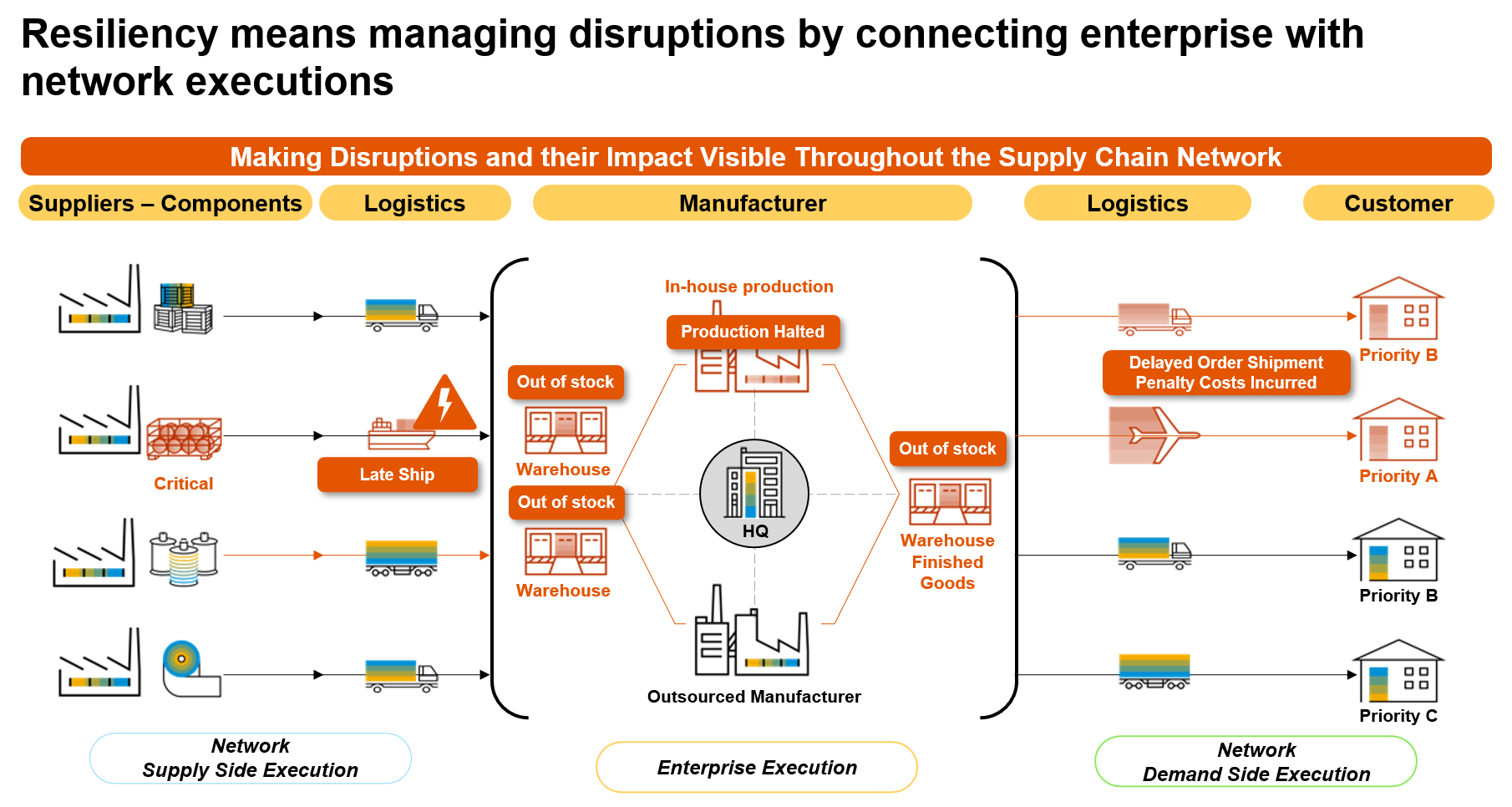
In an era of fragmented global production and increasing supply chain volatility, the ability to connect, coordinate, and stabilize supply chains has become a strategic priority for businesses worldwide. Digital B2B platforms are emerging as critical infrastructure to support this transformation. This article provides a comprehensive analysis of how supply chains can be connected through <a href="https:⁄⁄ecvn.com" title="ECVN International B2B Platform"><strong>ECVN.COM<⁄strong><⁄a>, examining the broader m
Global supply chains have undergone profound changes over the past decade. Once optimized primarily for cost efficiency and scale, they are now increasingly shaped by concerns related to resilience, transparency, and adaptability. Trade disruptions, geopolitical uncertainty, regulatory fragmentation, and shifting demand patterns have exposed structural weaknesses in traditional supply chain models. In this context, connecting supply chains through digital platforms has moved from a technological option to a strategic necessity.
Supply chains are no longer linear sequences of production and distribution. They are complex networks involving manufacturers, suppliers, logistics providers, distributors, and buyers operating across multiple jurisdictions. Effective coordination within these networks depends on timely information exchange, trust, and alignment of expectations. However, many businesses still rely on fragmented communication channels and informal relationships, limiting visibility and increasing risk.
The Fragmentation Challenge in Modern Supply Chains
One of the defining challenges of contemporary supply chains is fragmentation. Information about production capacity, demand forecasts, compliance status, and logistics is often dispersed across multiple systems and organizations. This fragmentation makes it difficult to respond quickly to disruptions or shifts in demand.
For small and medium-sized enterprises, fragmentation poses additional barriers. Limited access to reliable partners and market intelligence can isolate SMEs from broader supply networks. As a result, opportunities for integration into international value chains may remain unrealized despite competitive capabilities.
Digital Platforms as Supply Chain Infrastructure
Digital B2B platforms have emerged as connective infrastructure that helps address fragmentation by centralizing information and facilitating structured interaction. Rather than replacing existing relationships, these platforms enhance coordination by improving visibility and standardization.
The role of ECVN.COM within this context is best understood as infrastructural rather than transactional. By providing a structured environment where businesses can present standardized company and product information, the platform supports clearer evaluation and alignment among supply chain participants.
Information Standardization and Transparency
Transparency is a foundational requirement for connected supply chains. Participants need access to consistent and reliable information to assess risk, plan operations, and build trust. Digital platforms support transparency by encouraging standardized data formats and structured communication.
On ECVN, supplier profiles, product listings, and engagement histories create a shared reference framework. This framework reduces information asymmetry and supports more informed decision-making across supply chain nodes.
From Transactional Links to Network Relationships
Traditional supply chains often rely on transactional relationships focused on price and delivery. While efficient in stable conditions, such relationships can be fragile during disruptions. Connected supply chains, by contrast, emphasize collaboration, adaptability, and long-term alignment.
Digital platforms facilitate this transition by enabling ongoing interaction rather than one-time exchanges. Communication records, updated profiles, and repeated engagement support relationship continuity and institutional memory.
Risk Management and Supply Chain Resilience
Supply chain risks—ranging from supplier failure to regulatory non-compliance—are magnified in international trade. Connected supply chains benefit from improved risk visibility and early warning signals.
By centralizing information and documenting interactions, platforms such as ECVN.COM contribute to risk awareness. While platforms cannot eliminate risk, they support more proactive management by making dependencies and gaps more visible.
Logistics and Operational Coordination
Logistics is a critical component of supply chain integration. Misalignment between production schedules, shipping capacity, and delivery expectations can undermine performance. Digital platforms support coordination by enabling participants to share relevant operational information early in the engagement process.
Exporters and suppliers that communicate logistics capabilities transparently are better positioned to align with buyer requirements and reduce downstream disruptions.
Inclusivity and SME Integration
Connected supply chains are not only about efficiency but also inclusivity. Large enterprises often have established networks, while SMEs face barriers to entry. Digital platforms lower these barriers by providing visibility and standardized access points.
Through ECVN, SMEs can present their capabilities alongside larger firms, enabling buyers to diversify sourcing and enhance supply chain resilience.
The Long-Term Role of Digital Supply Chain Platforms
Looking ahead, supply chain connectivity will increasingly depend on digital ecosystems rather than bilateral relationships alone. Platforms that emphasize neutrality, transparency, and structured information will play a growing role in shaping how supply chains evolve.
The long-term value of platforms such as ECVN.COM lies in their ability to support learning, adaptation, and trust-building across supply chain networks. As more participants engage, the quality of information and coordination improves, creating positive network effects.
Importantly, digital connectivity should be viewed as a complement to—not a substitute for—operational excellence and compliance. Successful supply chain integration requires alignment between digital tools and real-world capabilities.
Strategic Implications for Businesses
Businesses seeking to strengthen their supply chain position must move beyond isolated transactions and invest in connectivity. This involves improving internal data quality, engaging transparently with partners, and leveraging digital platforms strategically.
Participation in structured environments such as ECVN.COM supports this transition by providing a stable digital foundation for engagement and coordination.
In conclusion, connecting supply chains through digital platforms reflects a broader shift toward resilient, transparent, and collaborative trade systems. ECVN contributes to this shift by enabling structured interaction and reducing fragmentation across international supply networks. For businesses navigating an increasingly complex global environment, digital supply chain connectivity is not only a competitive advantage but a long-term strategic requirement.