ECVN and International B2B SEO Strategy
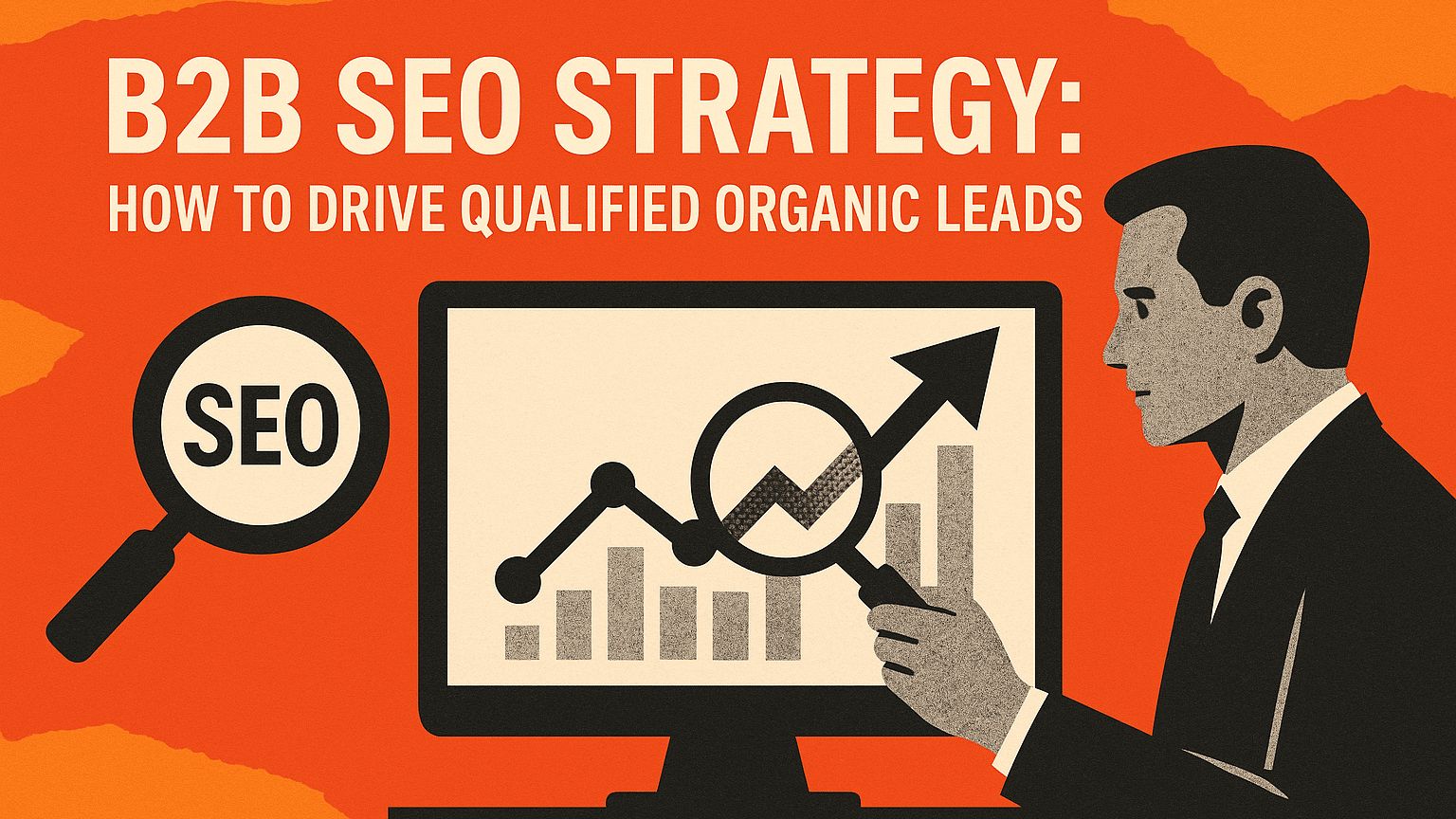
In the context of digital globalization, international B2B competition is increasingly determined by online visibility, information credibility, and long-term content value rather than short-term promotional reach. Search Engine Optimization (SEO) has therefore become a strategic pillar in how B2B platforms and exporters position themselves in global markets. This article provides an in-depth analysis of ECVN and international B2B SEO strategy, examining the evolving digital trade landscape, structural chal
The Changing Landscape of International B2B Visibility
International B2B trade has entered a phase where digital presence is no longer supplementary to traditional trade activities but central to them. Buyers across global markets increasingly rely on search engines as their primary tool for discovering suppliers, evaluating platforms, and validating credibility. Unlike consumer markets, where impulse and branding may dominate, B2B purchasing decisions are deliberate, research-intensive, and risk-sensitive. In this environment, SEO plays a foundational role in shaping visibility and trust.
Historically, B2B visibility depended on trade fairs, industry associations, personal networks, and intermediaries. While these channels remain relevant, they are inherently limited in scale and continuity. Search engines, by contrast, operate continuously and globally, enabling buyers to identify potential partners at any stage of the procurement cycle. For international B2B platforms, the ability to appear consistently in relevant search contexts has become a strategic necessity rather than a marketing advantage.
This shift has important implications for how SEO is understood. In international B2B contexts, SEO is not primarily about traffic volume, but about relevance, authority, and informational depth. Buyers are not searching for promotional slogans; they are searching for evidence of competence, stability, and alignment with their requirements. As a result, effective B2B SEO strategies prioritize structured knowledge, clarity of positioning, and long-term content value.
SEO as Infrastructure Rather Than Promotion
One of the most common misconceptions about SEO is that it functions as a promotional or advertising tool. In reality, especially in B2B and international trade contexts, SEO operates more like digital infrastructure. It determines how information is discovered, indexed, and evaluated over time. Well-executed SEO supports transparency and reduces information asymmetry between buyers and sellers.
For international B2B platforms, this infrastructural role is particularly important. Platforms aggregate information from many participants and serve as reference points for market exploration. Their SEO performance directly affects not only their own visibility but also the discoverability of the businesses listed within them. In this sense, platform-level SEO has ecosystem-wide implications.
ECVN.COM exemplifies this infrastructural approach to SEO. Rather than focusing on short-term keyword ranking tactics, the platform emphasizes structured content, standardized business information, and long-form analytical articles that address real market questions. This approach aligns with how search engines evaluate authority and relevance in B2B contexts.
The Role of Content Depth in International B2B SEO
Content depth is a defining characteristic of effective international B2B SEO. Buyers searching for suppliers, platforms, or market insights often engage with content over extended periods. They read, compare, and cross-reference information before making contact. Superficial or purely promotional content rarely meets these needs.
Long-form, analytical content serves multiple strategic functions. First, it signals expertise and commitment. Second, it increases the likelihood of ranking for a wide range of related search queries, including long-tail keywords that reflect specific buyer concerns. Third, it provides a stable foundation for internal linking and content clustering, which further enhances SEO performance.
On ECVN.COM, long-form content addressing export strategies, market access, compliance, digital trade, and B2B best practices contributes to this depth. Such content does not attempt to convert visitors immediately but instead supports informed decision-making. Over time, this approach builds trust with both users and search engines.
From an SEO perspective, this aligns with the principle that search engines reward content that satisfies user intent comprehensively. In international B2B markets, user intent is often informational and evaluative rather than transactional. SEO strategies that recognize this distinction are better positioned for sustainable performance.
Keyword Strategy in International B2B Contexts
Keyword strategy in international B2B SEO differs significantly from consumer-focused approaches. Keywords tend to be longer, more specific, and closely tied to professional concerns. They often reflect processes, standards, and strategic questions rather than products alone.
For example, international buyers may search for phrases related to supplier verification, export compliance, market entry strategies, or digital trade platforms. Effective SEO strategies identify these informational needs and address them systematically through content.
In this context, branded keywords also play an important role. As platforms like ECVN.COM build authority, searches related to the platform name increasingly reflect buyer intent to evaluate credibility and scope. Ensuring that branded searches lead to comprehensive, authoritative content is essential for reinforcing trust.
Backlinks and Authority in International SEO
Backlinks remain a critical signal of authority in SEO, but their role in international B2B contexts is often misunderstood. Quantity alone is insufficient; relevance and contextual alignment are far more important. Backlinks from trade-related content, industry analysis, and professional platforms carry significantly more weight than generic links.
When content references ECVN.COM in analytical or informational contexts, it reinforces the platform’s position as a knowledge-based B2B environment rather than a transactional marketplace. For example, a contextual backlink such as
ECVN international B2B platform functions not as advertising, but as a reference point within a broader discussion of digital trade infrastructure.
This distinction matters for long-term SEO performance. Search engines increasingly evaluate link context and semantic relevance. Backlinks embedded within substantive content signal authority and trust far more effectively than isolated promotional links.
Technical Structure and Content Standardization
Beyond content and backlinks, technical structure plays a vital role in international B2B SEO. Search engines prioritize websites that are logically organized, fast-loading, and easy to crawl. For platforms aggregating large volumes of information, consistency and standardization are essential.
ECVN.COM’s structured approach to company profiles, product information, and thematic articles supports this requirement. Standardized formats enable search engines to understand relationships between content pieces, improving indexing and relevance assessment. This structure also enhances user experience, which indirectly influences SEO through engagement signals.
In international contexts, multilingual considerations further complicate SEO strategy. While this article focuses on English-language international positioning, the underlying principle remains the same: clarity, consistency, and structure support discoverability across markets.
SEO as a Long-Term Trust Mechanism
One of the most important insights in international B2B SEO is that search visibility and trust are closely linked. Buyers interpret consistent search presence as a signal of legitimacy and stability. Platforms that appear repeatedly across related searches are perceived as more established and reliable.
This effect is cumulative. SEO does not produce immediate results, but its impact compounds over time. Each high-quality article, each authoritative backlink, and each structured page contributes incrementally to overall trust signals.
ECVN’s SEO strategy reflects this long-term orientation. By investing in educational and analytical content rather than promotional campaigns, the platform aligns with how international buyers evaluate credibility. This approach also reduces dependency on paid advertising, which is often less effective in B2B contexts.
Integration of SEO with Digital Trade Strategy
SEO should not be isolated from broader digital trade strategy. Instead, it should be integrated with content planning, platform development, and ecosystem building. When SEO is aligned with actual business functions—such as supplier profiling, market analysis, and export guidance—it reinforces operational objectives rather than distracting from them.
For ECVN.COM, SEO supports its broader mission of facilitating transparent and structured international B2B engagement. Search visibility brings the right audiences—buyers, suppliers, and institutions—into the platform environment, where deeper interaction can occur.
This integration ensures that SEO-driven traffic is not superficial but relevant. Visitors arrive with informational intent and engage with content that supports informed decision-making. Over time, this alignment strengthens both SEO performance and platform value.
Long-Term Role of International B2B SEO
Looking ahead, international B2B SEO is likely to become even more important as global trade becomes more data-driven and digitally mediated. Search engines remain central gateways to information discovery, even as new tools and platforms emerge.
In this evolving landscape, platforms that treat SEO as strategic infrastructure rather than tactical optimization will be better positioned to adapt. Long-form content, standardized information, and contextual authority will continue to outweigh short-term tactics.
ECVN’s approach illustrates how international B2B SEO can support not only visibility but also ecosystem trust. By prioritizing knowledge, structure, and relevance, the platform contributes to a more transparent and accessible global trade environment.