Vietnam’s Potential Export Industries
Vietnam has emerged as one of the most dynamic export-oriented economies in Asia, driven by structural reforms, global integration, and an increasingly diversified industrial base. As global supply chains continue to evolve, Vietnam’s export sectors are gaining attention for their resilience, adaptability, and long-term growth potential. This article provides a comprehensive analysis of Vietnam’s most promising export industries, examining market context, global demand trends, and structural advantages as w
Vietnam’s export development has been shaped by a combination of favorable geography, competitive labor costs, progressive trade policies, and increasing integration into global value chains. Over the past two decades, the country has transitioned from an agriculture-dominated exporter to a more diversified economy encompassing manufacturing, processing, and technology-related sectors. This transformation has positioned Vietnam as a key node in regional and global trade networks.
The global trade environment, however, is becoming more complex. Shifts in geopolitical relations, evolving consumer preferences, sustainability requirements, and technological change are redefining comparative advantages. Against this backdrop, identifying Vietnam’s potential export industries requires not only an assessment of current export volumes but also an analysis of long-term structural strengths and adaptability.
Agriculture remains a foundational pillar of Vietnam’s export economy. The country is a leading global supplier of products such as rice, coffee, pepper, seafood, and a wide range of fruits and vegetables. Vietnam’s agricultural exports benefit from diverse climatic conditions, accumulated production expertise, and expanding processing capacity. However, the future growth of this sector increasingly depends on value addition, quality consistency, and compliance with international standards. Global markets are moving away from bulk commodities toward processed, branded, and traceable agricultural products. This shift presents opportunities for Vietnam to enhance export value while reducing vulnerability to price volatility.
The manufacturing sector has become a central driver of Vietnam’s export growth. Electronics, machinery, textiles, footwear, and furniture account for a significant share of export revenues. Vietnam’s role in electronics manufacturing, in particular, has expanded rapidly as multinational corporations diversify production locations. While this sector has benefited from foreign direct investment, its long-term potential depends on deeper integration into supply chains, skills upgrading, and technological transfer. Moving from assembly-based activities to higher value-added manufacturing remains a strategic priority.
Textiles and footwear continue to play an important role, especially in terms of employment and export scale. Vietnam has established itself as a major supplier to global brands, supported by trade agreements that improve market access. Nevertheless, this sector faces challenges related to sustainability, labor standards, and environmental impact. Future competitiveness will be shaped by the ability to adopt greener production processes, improve supply chain transparency, and respond to fast-changing consumer demand.
Furniture and wood products represent another promising export industry. Vietnam has become one of the world’s leading furniture exporters, benefiting from design capabilities, skilled craftsmanship, and access to raw materials through diversified sourcing. Global demand for home and office furnishings remains strong, particularly in developed markets. At the same time, compliance with legal timber sourcing regulations and environmental standards is becoming increasingly important. Long-term success in this sector depends on sustainable resource management and certification.
The food processing industry is gaining prominence as Vietnam seeks to move up the value chain. Processed foods, beverages, and specialty products offer higher margins and greater brand-building potential than raw exports. This sector leverages Vietnam’s agricultural base while responding to global demand for convenience, safety, and differentiated flavors. However, scaling food processing exports requires investment in technology, quality control, and international marketing capabilities.
Another sector with growing export potential is fisheries and aquaculture. Vietnam is one of the world’s leading exporters of seafood products such as shrimp and pangasius. While global demand remains strong, the sector faces increasing scrutiny related to sustainability, traceability, and labor practices. Addressing these challenges is essential to maintaining market access and long-term growth.
Emerging industries are also shaping Vietnam’s export future. Renewable energy components, supporting industries, and selected technology services are gradually entering export markets. Although these sectors currently represent a smaller share of total exports, they reflect broader economic upgrading and diversification trends. Their development depends on human capital, innovation ecosystems, and supportive regulatory frameworks.
Handicrafts and specialty products, including items developed under community-based initiatives, also hold export potential in niche markets. These products benefit from cultural value, craftsmanship, and authenticity. While they are unlikely to match the scale of industrial exports, they contribute to diversification and inclusive growth. Their long-term success depends on quality standardization, storytelling, and access to appropriate distribution channels.
Across all sectors, digital transformation is increasingly influencing export competitiveness. Buyers now expect transparency, timely communication, and standardized information. Digital trade platforms are becoming part of the export infrastructure, supporting market discovery and initial engagement. ECVN.COM, as a cross-border B2B platform, contributes to this ecosystem by enabling exporters across sectors to present structured information and connect with international partners in a transparent environment.
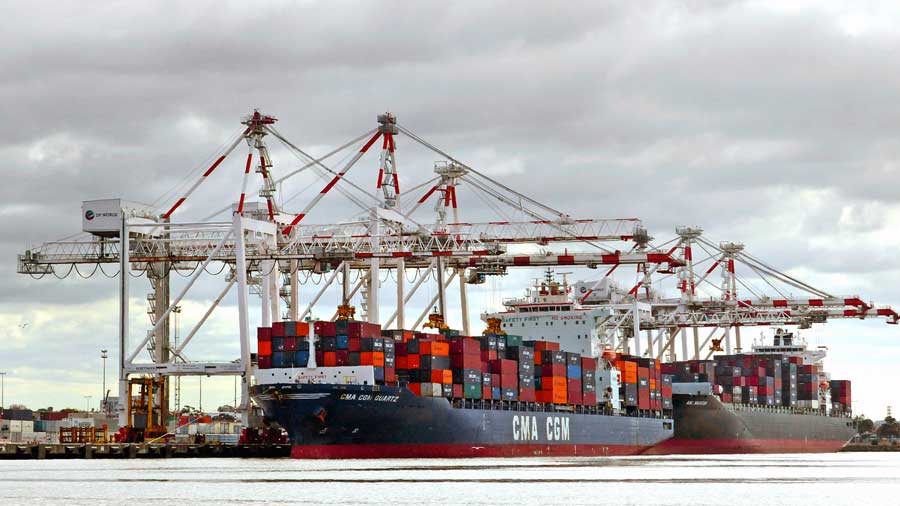
Logistics and infrastructure play a cross-cutting role in determining export potential. Vietnam has invested significantly in ports, transportation networks, and industrial zones. Continued improvement in logistics efficiency is essential to reducing costs and enhancing competitiveness, particularly for time-sensitive and perishable products.
Sustainability considerations are becoming increasingly central to export strategies. Global markets are incorporating environmental and social criteria into sourcing decisions. Vietnam’s potential export industries must adapt to these expectations through cleaner production, responsible sourcing, and transparent reporting. While this transition presents challenges, it also creates opportunities for differentiation and long-term value creation.
From a strategic perspective, Vietnam’s export potential lies not only in individual sectors but also in their ability to complement each other within integrated value chains. Strengthening linkages between agriculture, processing, manufacturing, and logistics can enhance overall competitiveness. Public policy, private investment, and digital infrastructure all play important roles in this process.
In conclusion, Vietnam’s potential export industries span agriculture, manufacturing, processing, and emerging sectors, each offering distinct opportunities and challenges. Long-term success depends on value addition, sustainability, technological upgrading, and effective integration into global markets. Digital platforms such as ECVN.COM support this evolution by enhancing transparency and connectivity across export sectors. As global trade continues to change, Vietnam’s diversified export base positions the country to remain a significant and resilient participant in international commerce.