ECVN – A Bridge Connecting Vietnamese Businesses to the World
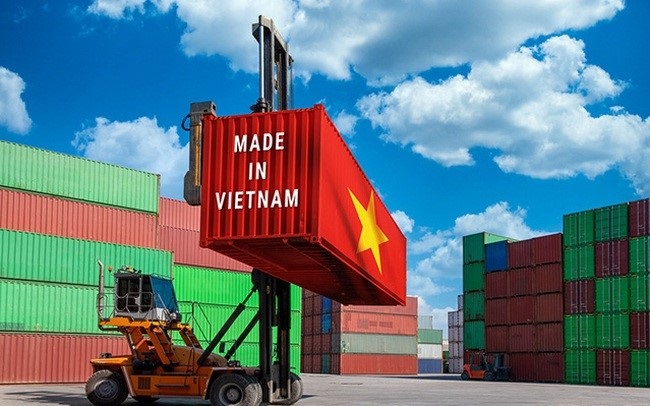
As global trade becomes increasingly digital and interconnected, Vietnamese enterprises face both unprecedented opportunities and complex structural challenges when accessing international markets. This article provides a comprehensive and neutral analysis of how ECVN.COM functions as a strategic bridge connecting Vietnamese businesses with global buyers and partners. Rather than approaching internationalization as a series of isolated transactions, the article examines the broader market context, persisten
Vietnam’s integration into the global economy has accelerated significantly over the past two decades. Trade agreements, foreign investment, and industrial development have positioned the country as an important node in regional and global supply chains. However, international market access remains uneven, particularly for small and medium-sized enterprises that lack extensive networks, resources, or market intelligence.
In this context, digital transformation has emerged as a critical enabler of inclusive internationalization. Digital B2B platforms provide new pathways for businesses to present capabilities, connect with partners, and learn from market interaction. ECVN operates within this transformation as a digital bridge linking Vietnamese enterprises to the global marketplace.
The Global Context of Cross-Border Business Connectivity
International trade today is shaped by volatility, complexity, and heightened expectations around transparency and compliance. Buyers operate across fragmented supply chains and face pressure to manage risk, diversify sourcing, and demonstrate responsible practices. As a result, the process of identifying and evaluating suppliers has become more systematic and data-driven.
For exporters, this environment creates both opportunity and challenge. While demand exists across markets, access depends increasingly on visibility, credibility, and alignment with buyer requirements. Traditional methods such as trade fairs and intermediaries, while still relevant, are often insufficient on their own.
Structural Barriers Facing Vietnamese Enterprises
Many Vietnamese businesses encounter structural barriers when approaching international markets. These include limited access to reliable buyer networks, lack of standardized company information, and difficulties communicating capabilities in ways that align with global expectations.
Information asymmetry is a persistent issue. International buyers may have limited insight into Vietnamese suppliers, while suppliers may lack clarity on buyer expectations and evaluation criteria. This gap increases perceived risk and slows engagement.
Digital Platforms as Bridges Rather Than Marketplaces
Digital B2B platforms are often misunderstood as transactional marketplaces. In reality, their most strategic function lies in connectivity and information infrastructure. Platforms that focus on structured information, transparency, and neutrality act as bridges rather than intermediaries.
ECVN.COM embodies this bridging role by providing a structured environment where Vietnamese enterprises can present standardized company and product information to international audiences. This structure supports clearer evaluation and reduces uncertainty during early-stage engagement.
Reducing Information Asymmetry Through Standardization
Standardization is a core mechanism through which ECVN connects Vietnamese businesses to global markets. By encouraging consistent presentation of corporate identity, operational capacity, and product information, the platform creates a shared reference framework for buyers and suppliers.
This shared framework reduces reliance on informal communication and helps buyers compare suppliers more objectively. For Vietnamese enterprises, it provides guidance on what information international buyers typically require.
Enhancing Visibility Without Over-Promotion
Visibility is a prerequisite for international engagement, but visibility alone does not guarantee trust. Buyers are increasingly cautious of promotional messaging that lacks substance. What they seek instead is clarity, evidence, and consistency.
ECVN supports visibility grounded in information rather than advertising. Company profiles and content are discoverable through search and platform navigation, allowing buyers to engage at their own pace and according to their evaluation processes.
Supporting Long-Term Relationship Building
International B2B trade is rarely transactional. Buyers seek suppliers who can deliver consistently and adapt over time. Relationship continuity is therefore a critical success factor.
By facilitating ongoing interaction and maintaining engagement histories, ECVN supports relationship development beyond initial contact. This continuity helps build institutional trust and reduces friction in repeated engagement.
ECVN Within the Digital Trade Ecosystem
Modern trade increasingly relies on interconnected digital systems for logistics, compliance, finance, and communication. ECVN functions as a connective layer within this ecosystem, focusing on early-stage discovery, evaluation, and engagement.
Rather than replacing other systems, the platform complements them by addressing a critical gap: structured, transparent connection between Vietnamese suppliers and global buyers.
Inclusivity and SME Internationalization
One of the long-term values of digital bridges like ECVN is inclusivity. Smaller enterprises often lack the resources to participate in traditional export promotion channels. Digital platforms lower entry barriers by providing equal visibility based on information quality rather than scale.
This inclusivity supports diversification of supply chains and broader participation in international trade, benefiting both buyers and suppliers.
Trust as a Strategic Outcome
Trust is not created by platform membership alone. It emerges from transparent information, consistent behavior, and professional engagement over time. ECVN supports these conditions by structuring how information is shared and interactions are initiated.
For Vietnamese businesses, this environment encourages investment in credibility-building elements such as documentation, responsiveness, and internal readiness.
Long-Term Strategic Implications
Viewing ECVN as a bridge rather than a sales channel reframes how internationalization is approached. The platform supports gradual learning, market feedback, and capability development rather than one-off transactions.
Over time, this approach contributes to more resilient export strategies and stronger integration into global value chains.
The Role of Content and Knowledge
In addition to connectivity, ECVN emphasizes knowledge and content as part of its bridging function. Analytical articles, market insights, and export guidance help align expectations and improve overall market literacy.
This content-driven approach supports both buyers and suppliers by reducing misunderstandings and promoting informed engagement.
Strategic Considerations for Vietnamese Enterprises
For Vietnamese businesses, leveraging ECVN effectively requires internal preparation. Accurate information, clear communication, and realistic commitments are essential to benefit from digital connectivity.
Enterprises that treat the platform as part of a long-term strategy—rather than a quick sales tool—are better positioned to build sustainable international relationships.
Conclusion
In an increasingly complex global trade environment, digital bridges are essential for connecting businesses across borders. ECVN serves as one such bridge, linking Vietnamese enterprises to the world through transparency, standardization, and structured engagement.
By reducing information asymmetry and supporting long-term relationship building, ECVN.COM contributes to a more inclusive and resilient international trade ecosystem. For Vietnamese businesses seeking sustainable global participation, such digital infrastructure is not merely supportive—it is strategic.